

Understanding Angular Dermoid in Children
What is Angular Dermoid?
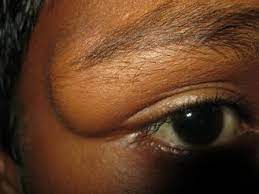
Angular dermoid, also known as dermoid cyst of the eyebrow or limbal dermoid, is a type of cyst that typically occurs near the eyebrows. It is a congenital condition, meaning that it is present at birth. Angular dermoid are usually benign, but they can cause cosmetic concerns and, in some cases, vision problems if left untreated.
Causes
The exact cause of angular dermoid is not well understood, but it is believed to develop during fetal development. It may result from an abnormality in the development of skin and other tissues in the affected area. There is typically no known genetic predisposition for angular dermoid.
Symptoms
Angular dermoid cysts often present as small, raised lumps or masses near the eyebrows or on the surface of the eye. These cysts may contain various types of tissue, including skin, hair, and sweat glands. Common symptoms and characteristics of angular dermoid include:
- A visible lump or bump near the eyebrow or on the eye.
- Hair or hair-like structures protruding from the cyst.
- A smooth, flesh-colored or yellowish surface.
- Occasionally, the cyst may become infected, causing redness, pain, and swelling in the affected area.
Diagnosis
Diagnosing angular dermoid typically involves a physical examination by a pediatrician or pediatric surgeon. Doctors may also use imaging techniques such as ultrasound or MRI.
Treatment
The treatment of angular dermoid cysts in children depends on several factors, including the size and location of the cyst and whether it is causing any symptoms or vision problems. Treatment options may include:
- Surgical Removal: Larger or symptomatic cysts may require surgical removal. The procedure is typically done under anesthesia, and the cyst is carefully excised to minimize scarring and damage to surrounding tissues.
- Medical Management: In cases of infection or inflammation, antibiotics or anti-inflammatory medications may be prescribed to manage the symptoms.
Conclusion
Angular dermoid is a congenital condition that can affect children, typically appearing near the eyebrows or on the eye’s limbal area. While angular dermoid are usually benign, they can cause cosmetic concerns and, in some cases, vision problems. Early diagnosis and appropriate management, including surgical removal when necessary, can help ensure the best outcomes for children with angular dermoid cysts. If you suspect your child may have an angular dermoid or notice any unusual growths near their eye, it’s essential to consult a doctor for a thorough evaluation and guidance on the appropriate course of action.